
Nova Scotia Auto Insurance in 2026
Private-market rates, mandatory liability, DCPD, accident benefits, optional physical-damage coverage and vehicle rating explained from the Nova Scotia Regulatory and Appeals Board and provincial sources.
Six Nova Scotia coverage and pricing guides
Insurers cannot simply change rates without the Board process
The Nova Scotia Regulatory and Appeals Board reviews insurer requests to change rates or risk-classification systems. Private-passenger insurers must make a filing at least every two years, and proposed changes are reviewed under the Insurance Act.
The legal liability minimum is C$500,000
Nova Scotia requires financial responsibility, with C$500,000 as the minimum third-party liability amount for an ordinary motor vehicle liability policy. Higher limits can be purchased, so the statutory minimum should not be treated as a recommendation for every household.
Read the mandatory coverage guide →DCPD changes how qualifying not-at-fault property claims are handled
Direct Compensation–Property Damage allows an insured to claim the not-at-fault portion of qualifying vehicle and contents damage from the insured's own company. The standard policy ties payment to the percentage the driver is determined not to be at fault and can include a DCPD deductible.
Read the DCPD guide →Mandatory accident-benefit regulations were amended July 28, 2026
Nova Scotia's consolidated Automobile Insurance Contract Mandatory Conditions Regulations now include amendments effective July 28, 2026. That is why this site points to the current regulation rather than relying on an older benefit-limit summary.
Vehicle choice can affect physical-damage rates
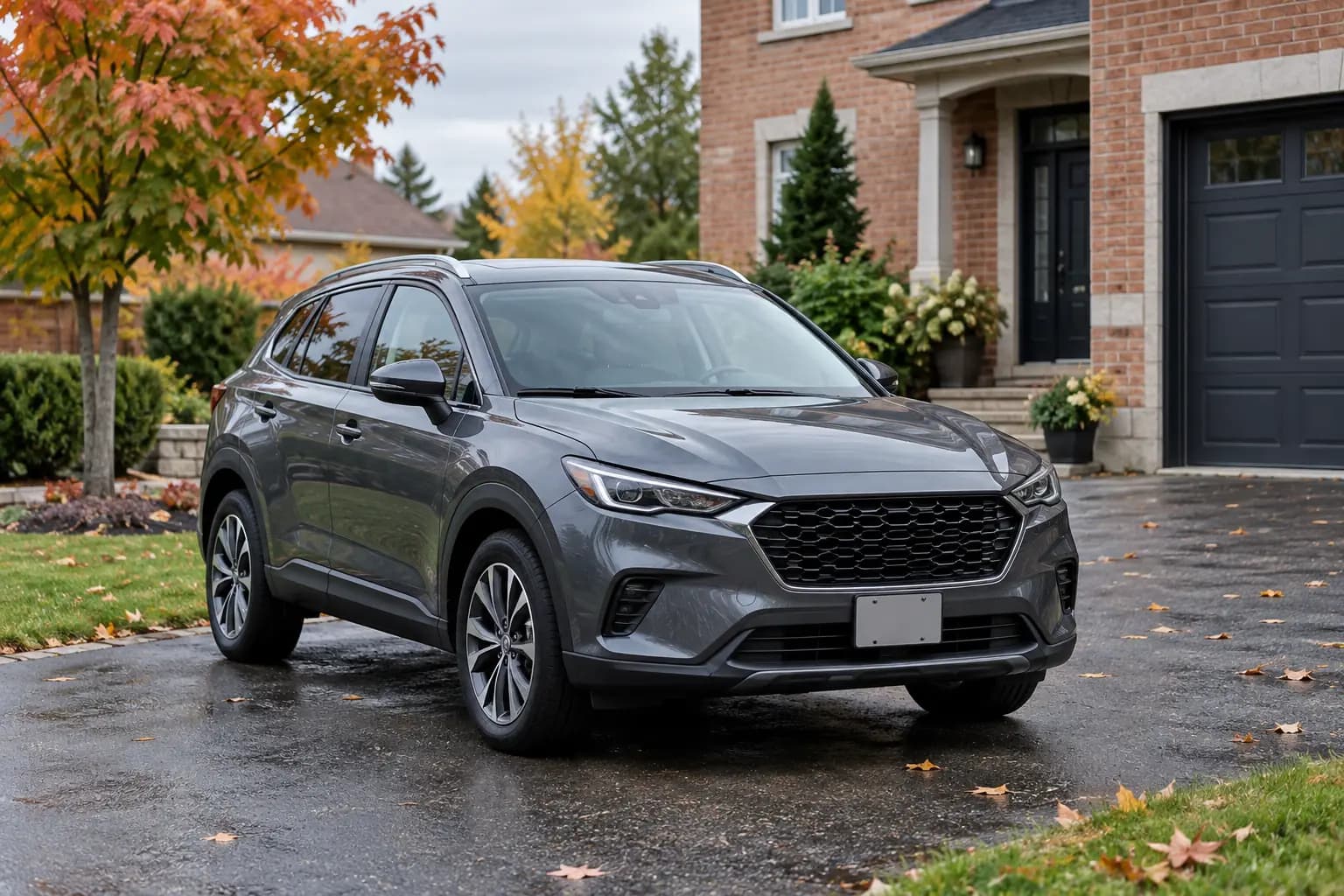
The Board approves annual Canadian Loss Experience Automobile Rating (CLEAR) material for insurer filings. CLEAR reflects vehicle claims-cost experience, making make/model/year a useful risk dimension — but not a personal quote.
Use your own renewal as the personal benchmark
Nova Scotia insurers can have different approved rates and classification systems. Measure the actual expiring premium against the new premium, then check whether coverage, deductibles, vehicle, drivers, territory or insurer changed.